
Threat Intelligence & APT BleepingComputer 1 month ago

IDScan confirms breach tied to 153 million stolen driver’s licenses

CN
CyberNew Threat Research Desk
• Original Reporting: BleepingComputer
CyberNew Threat Intel Assessment
Assessed Severity: INFORMATIONAL
Impacted Surface
Cloud & Distributed Infrastructure
Intelligence Sector
Threat Intelligence & APT

Analyst Takeaway

"Identity verification company IDScan has confirmed that hackers accessed customer data stored in its cloud platform, days after reports linked the company to a massive database containing more than 153 million driver's license scans. IDScan disclosed the incident in a September 4 security notice, saying it learned on or around September 1 that certain data may have been accessed without..."

Recommended Defense & Mitigation

  • Threat Monitoring: Ingest published IOCs into SIEM/EDR detection rules for continuous telemetry monitoring.
  • Security Awareness: Alert staff and maintain baseline endpoint hardening across endpoints.
Curated & Verified by CyberNew Threat Intelligence Desk Standard Defense Framework (NIST / MITRE ATT&CK)

IDScan

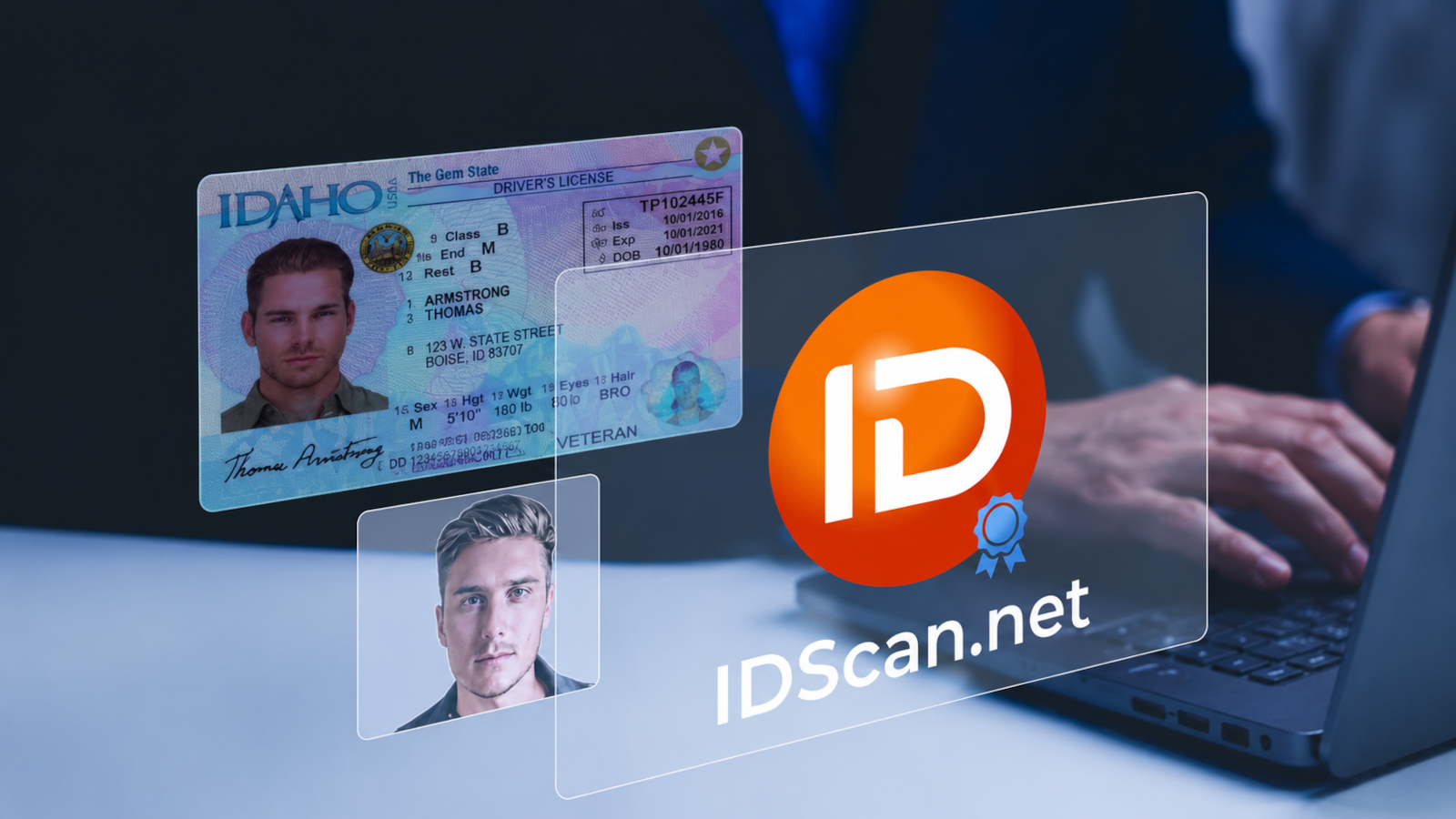
Identity verification company IDScan has confirmed that hackers accessed customer data stored in its cloud platform, days after reports linked the company to a massive database containing more than 153 million driver's license scans.

IDScan disclosed the incident in a September 4 security notice, saying it learned on or around September 1 that certain data may have been accessed without authorization.

"Upon this discovery, we took immediate steps to secure our systems and engaged a team of third-party specialists to help determine the full nature and scope of the incident," IDScan said.

The company says its investigation remains ongoing but has determined that an unauthorized third party "may" have accessed or copied customer information stored within accounts on the IDScan.net cloud.

Get the report

Source Verification & Original Intelligence

This threat report was reviewed by CyberNew analysts and cross-referenced with primary security disclosures from BleepingComputer.

Primary Advisory →