
Threat Intelligence & APT The Record 1 month ago

Hundreds of fake government websites target users in Central Asia

CN
CyberNew Threat Research Desk
• Original Reporting: The Record
CyberNew Threat Intel Assessment
Assessed Severity: MEDIUM
Impacted Surface
Enterprise Perimeter & Network Defense
Intelligence Sector
Threat Intelligence & APT

Analyst Takeaway

"Image: Far Chinberdiev via Unsplash Hundreds of fake government websites target users in Central Asia Cybercriminals have created hundreds of fake government and news websites to target people in Uzbekistan, Belarus and Tajikistan with bogus offers promising cash payments or passive income. Researchers at cybersecurity firm F6 identified more than 360 fraudulent domains tied to the campaign. The..."

Recommended Defense & Mitigation

  • Threat Monitoring: Ingest published IOCs into SIEM/EDR detection rules for continuous telemetry monitoring.
  • Security Awareness: Alert staff and maintain baseline endpoint hardening across endpoints.
Curated & Verified by CyberNew Threat Intelligence Desk Standard Defense Framework (NIST / MITRE ATT&CK)
uzbekistan
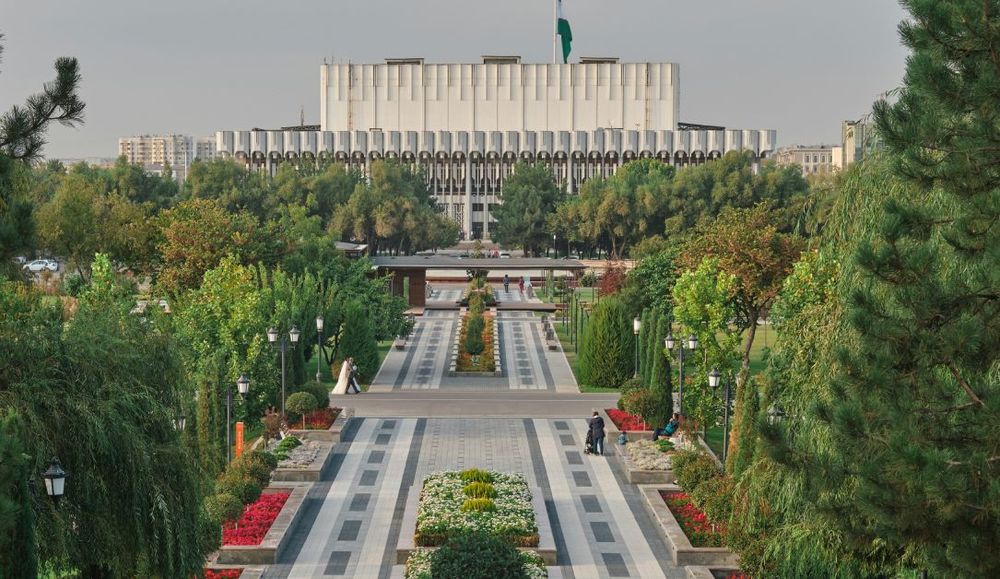
Image: Far Chinberdiev via Unsplash

Hundreds of fake government websites target users in Central Asia

Cybercriminals have created hundreds of fake government and news websites to target people in Uzbekistan, Belarus and Tajikistan with bogus offers promising cash payments or passive income.

Researchers at cybersecurity firm F6 identified more than 360 fraudulent domains tied to the campaign. The sites are designed to collect victims’ contact details, which scammers then use to target them through phone or email to steal money, personal information or gain access to their devices.

The websites exploit people’s trust in government social programs, telling visitors they are eligible for financial assistance or can earn passive income through government-backed programs, according to the report released Monday.

In Uzbekistan, for example, the fraudulent sites promise residents weekly payments of 15 million Uzbek sums, or about $1,300. To claim the money, users are initially asked to provide little more than their name and phone number.

Source Verification & Original Intelligence

This threat report was reviewed by CyberNew analysts and cross-referenced with primary security disclosures from The Record.

Primary Advisory →